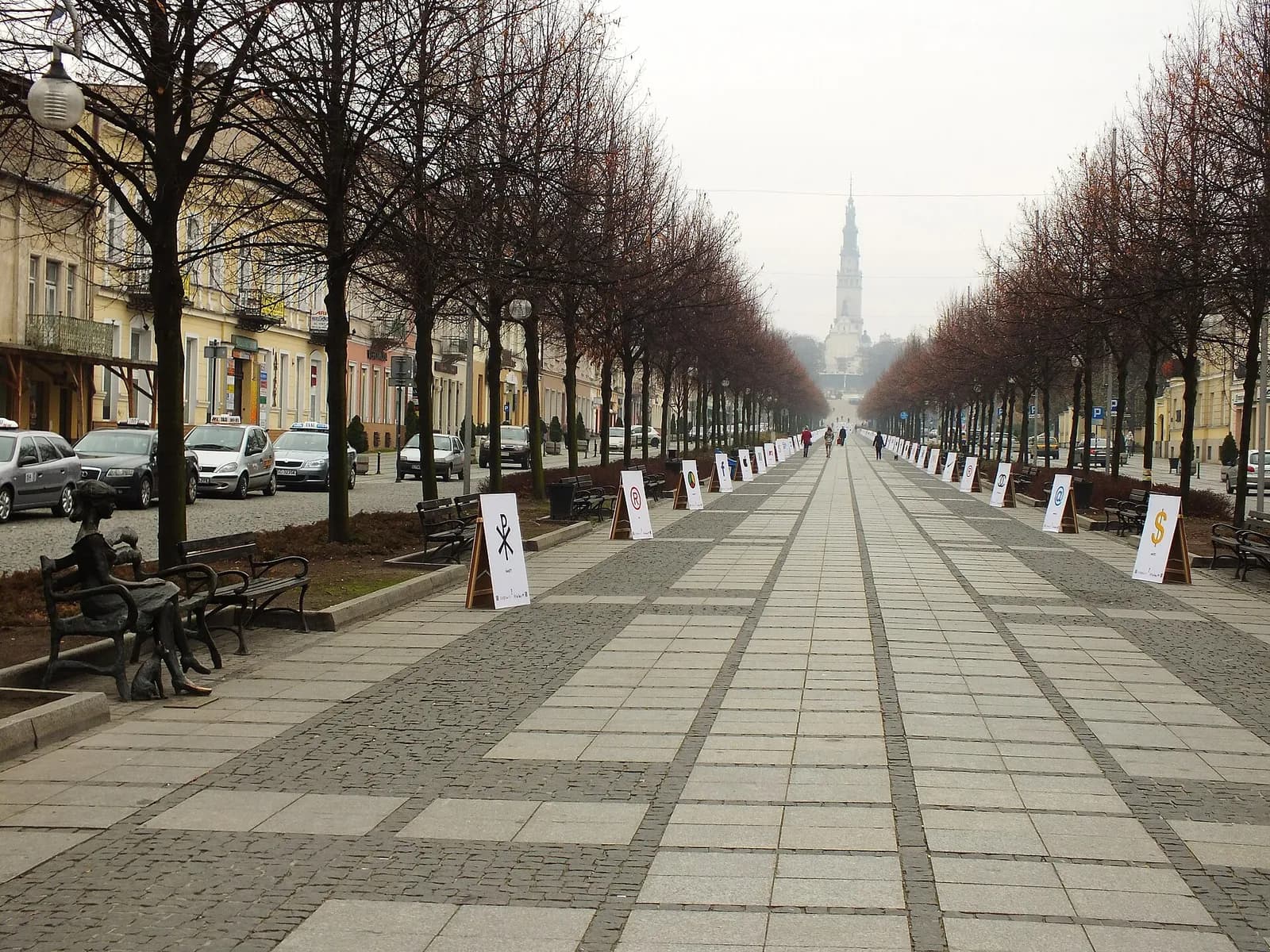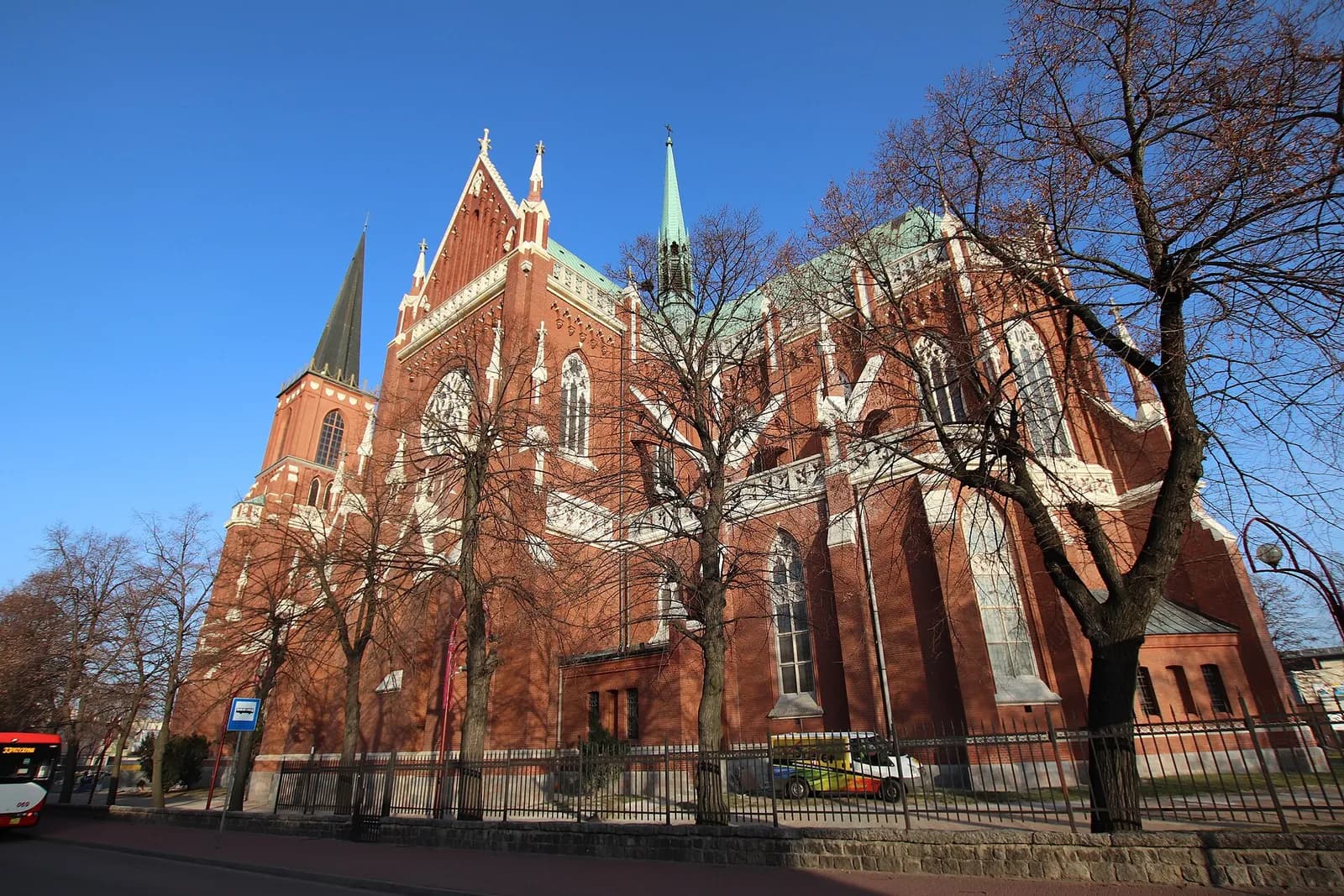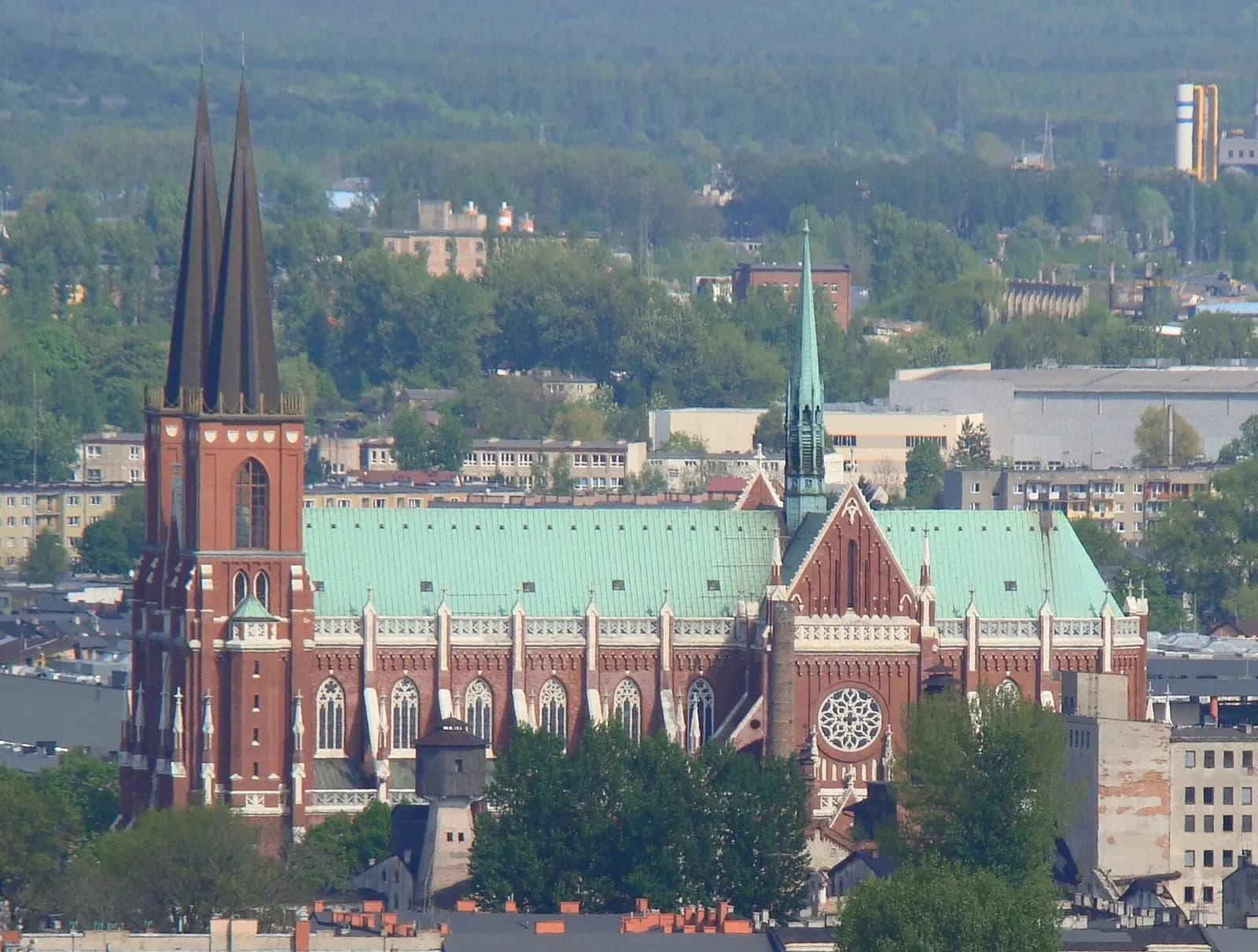
Częstochowa is a city whose identity has been shaped by faith, history and tradition for centuries. While the city has developed into an important centre of culture, education and industry, it remains internationally recognised as the home of Jasna Góra Monastery, one of Poland’s most significant religious and historical sites.
For generations, pilgrims have travelled to Częstochowa to visit the monastery and pray before the famous image of the Black Madonna of Częstochowa. Yet Jasna Góra is more than a place of worship. It is a symbol deeply connected with Poland’s history, resilience and national identity.
The Origins of Częstochowa and Jasna Góra
The first written records of Częstochowa date back to 1220, when the settlement was mentioned in historical documents. Located along important routes in southern Poland, the town gradually developed as a local centre of trade and administration.
The story of Jasna Góra began later, in the 14th century. On 9 August 1382, Prince Władysław Opolczyk founded the monastery on a hill near the settlement known as Stara Częstochowa.
The prince invited the Pauline monks to establish a religious community, creating the foundation of what would become one of the most important monasteries in Central Europe.
The Arrival of the Black Madonna
A defining moment in Jasna Góra’s history came on 31 August 1384, when the sacred image now known as the Black Madonna of Częstochowa was entrusted to the Pauline monks.
The icon quickly became the spiritual centre of the monastery and attracted pilgrims from across Poland and beyond.
The name Jasna Góra, meaning “Luminous Mountain”, was adopted in 1388. It reflected both the location of the monastery and the growing sense of reverence surrounding the site.
By the 15th century, Jasna Góra had developed into one of Poland’s most important Marian sanctuaries.
A Place of Faith and National Memory
Jasna Góra’s importance extends beyond religious life. Throughout Polish history, the monastery has become associated with national identity and moments of uncertainty.
Its fortified walls and symbolic importance made it a place connected with ideas of protection, unity and resilience.
For many Poles, visiting Jasna Góra represents not only a religious journey but also a connection with the country’s cultural heritage.
The monastery’s role as a place of gathering has continued for centuries, with pilgrims arriving from across Poland and many other countries.
Jasna Góra Today
Today, Jasna Góra remains one of Poland’s most visited landmarks, welcoming millions of pilgrims and tourists each year.
Visitors come for many reasons: to participate in religious celebrations, explore the monastery’s historic architecture, learn about Polish heritage or experience one of the country’s most recognisable cultural symbols.
The Pauline monastery remains the largest monastery of the Pauline Order worldwide, continuing a tradition that has lasted for more than six centuries.
Częstochowa’s Identity and Heritage
For the city of Częstochowa, Jasna Góra is not simply a historic attraction. It is part of everyday life and a central element of the city’s identity.
The monastery has influenced the development of local traditions, tourism and the way the city is recognised internationally.
At the same time, modern Częstochowa continues to evolve as a regional centre with its own cultural, educational and economic life.
A City Where History Continues
Częstochowa’s story demonstrates how a place can become connected with something far greater than its physical boundaries.
Through Jasna Góra, the city has become associated with faith, heritage and continuity. Whether visited by pilgrims, history enthusiasts or travellers exploring Poland, Częstochowa offers a unique insight into the relationship between place, tradition and identity.