For millions of visitors, Częstochowa is synonymous with Jasna Góra and the treasured icon of the Black Madonna. Yet only a short walk from Poland's most famous pilgrimage site stands another remarkable church that is often overlooked by first-time visitors.
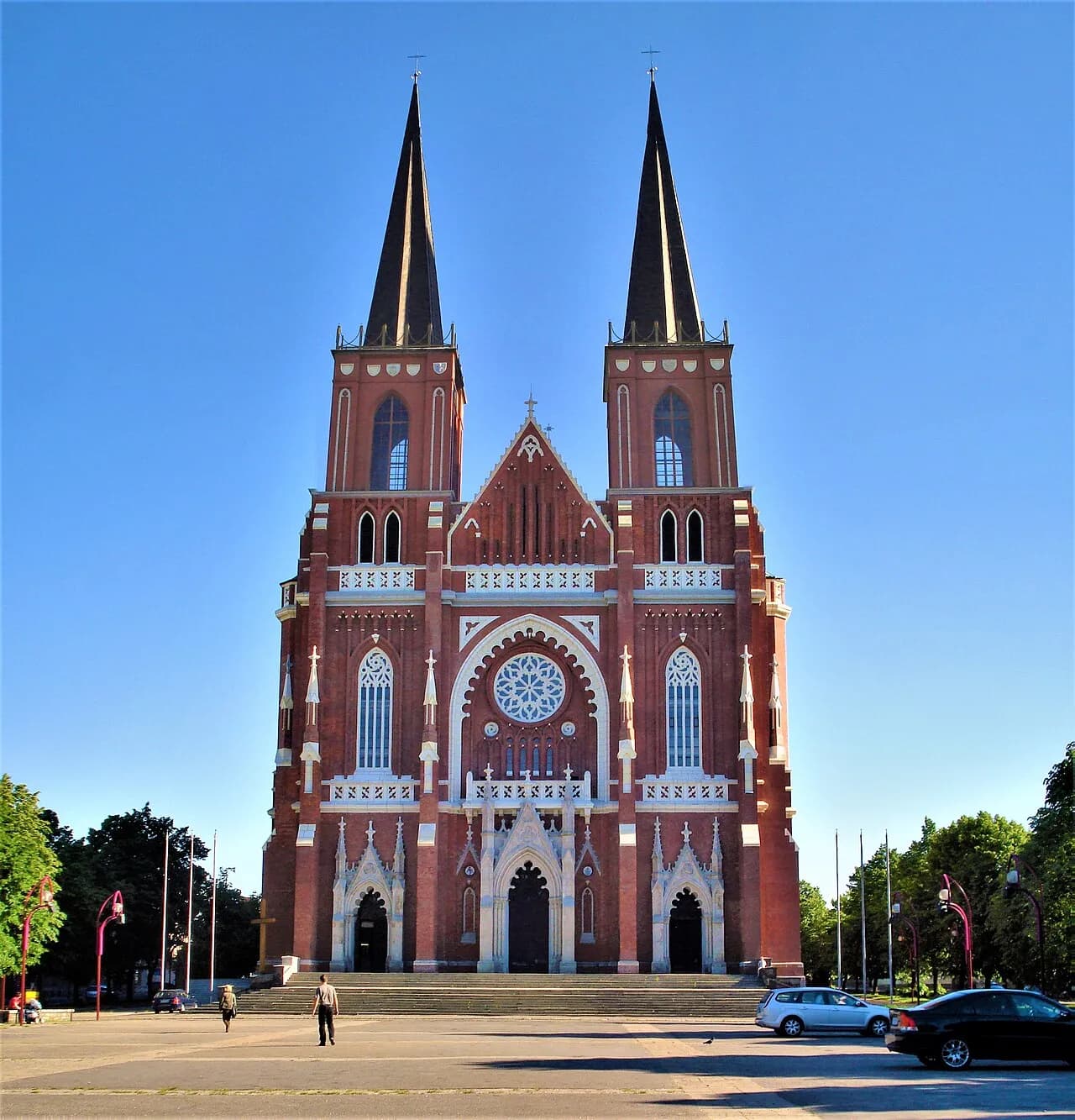
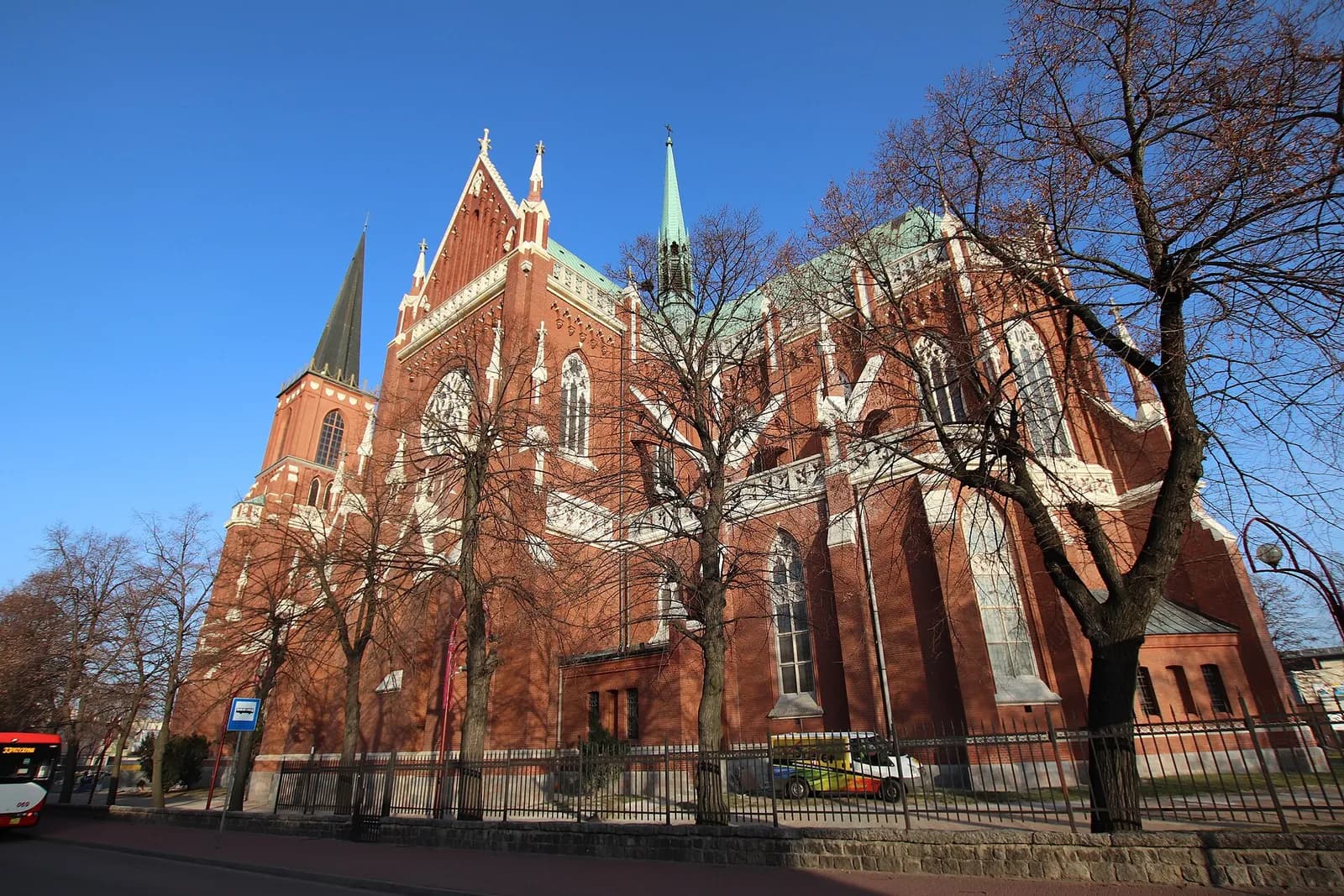
The Cathedral Basilica of the Holy Family is the spiritual heart of the Archdiocese of Częstochowa, an architectural landmark that has watched the city grow for more than a century. Its soaring Neo-Gothic towers rise above Plac Jana Pawła II, welcoming worshippers, residents and visitors alike into one of Poland's largest brick-built churches.
While pilgrims naturally make their way to Jasna Góra, taking time to visit the cathedral reveals another side of Częstochowa. Here, history, faith and architecture come together in a building that continues to play a central role in the city's everyday life.
A Cathedral Born From a Growing Industrial City
At the beginning of the twentieth century, Częstochowa was changing rapidly. The city's expanding textile mills and factories attracted thousands of new residents, creating neighbourhoods that quickly outgrew their existing churches.
To serve this growing population, plans were drawn up for a new parish church that would reflect both the confidence and ambition of the city.
Designed by renowned architect Konstanty Wojciechowski, the cathedral embraced the Neo-Gothic style that was popular across Europe at the time. Construction began in 1902 under the direction of Father Sylwester Baranowicz, although progress was far from straightforward.
Financial challenges and the disruption of the First World War slowed the project considerably. The church welcomed its first congregation in 1908, but work continued for many years before the building finally approached its original vision.
Becoming the Heart of the Archdiocese
The church's importance grew significantly in 1925 when Pope Pius XI established the Diocese of Częstochowa and designated the building as its cathedral.
A further milestone came in 1992, when Pope John Paul II elevated the diocese to an archdiocese. Since then, the Cathedral Basilica of the Holy Family has served as the metropolitan cathedral, hosting ordinations, major liturgical celebrations and important occasions in the life of the Catholic Church across the region.
Today, it remains both the Archbishop's church and an active parish at the centre of local community life.
Neo-Gothic Grandeur Inside and Out
The cathedral immediately captures attention with its striking red-brick exterior, elegant sandstone detailing and impressive proportions.
Stretching for around 100 metres, the three-aisled basilica is among the largest Neo-Gothic churches in Poland. Pointed arches, soaring rib-vaulted ceilings and carefully crafted stonework draw the eye upwards, creating the sense of height and light that defines Gothic architecture.
Many visitors are surprised to learn that the cathedral's twin western towers are a relatively recent addition. Although they formed part of the architect's original plans, they were only completed in 1997, almost a century after construction first began.
Inside, colourful stained-glass windows fill the vast interior with natural light, illustrating biblical stories alongside scenes from Polish religious history. Decorative altars, marble finishes and Gothic-inspired furnishings add further richness, while the crypt below contains the tombs of several bishops who helped shape the history of the Archdiocese of Częstochowa.
Not To Be Confused with Jasna Góra
It is a common misconception that Jasna Góra Basilica is Częstochowa's cathedral.
In reality, the two churches serve very different purposes.
The Cathedral Basilica of the Holy Family is the administrative and liturgical centre of the Archdiocese of Częstochowa and the official seat of the Archbishop.
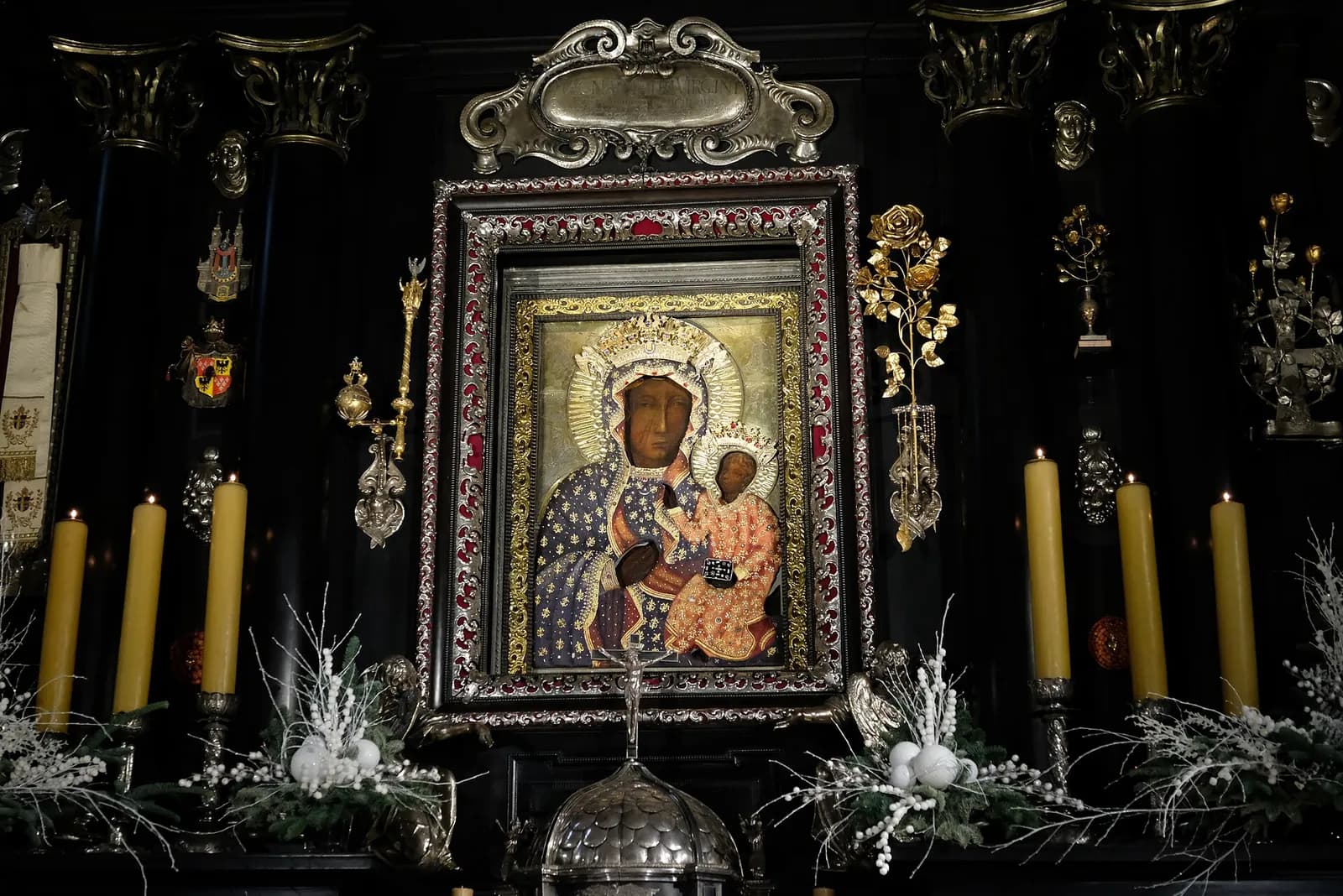
Jasna Góra, meanwhile, is the home of the Pauline Fathers and one of Europe's most significant Marian shrines, attracting millions of pilgrims each year to pray before the icon of the Black Madonna.
Together, they form the two great centres of Catholic life in Częstochowa, each with its own unique role and history.
A Quieter Side of Częstochowa
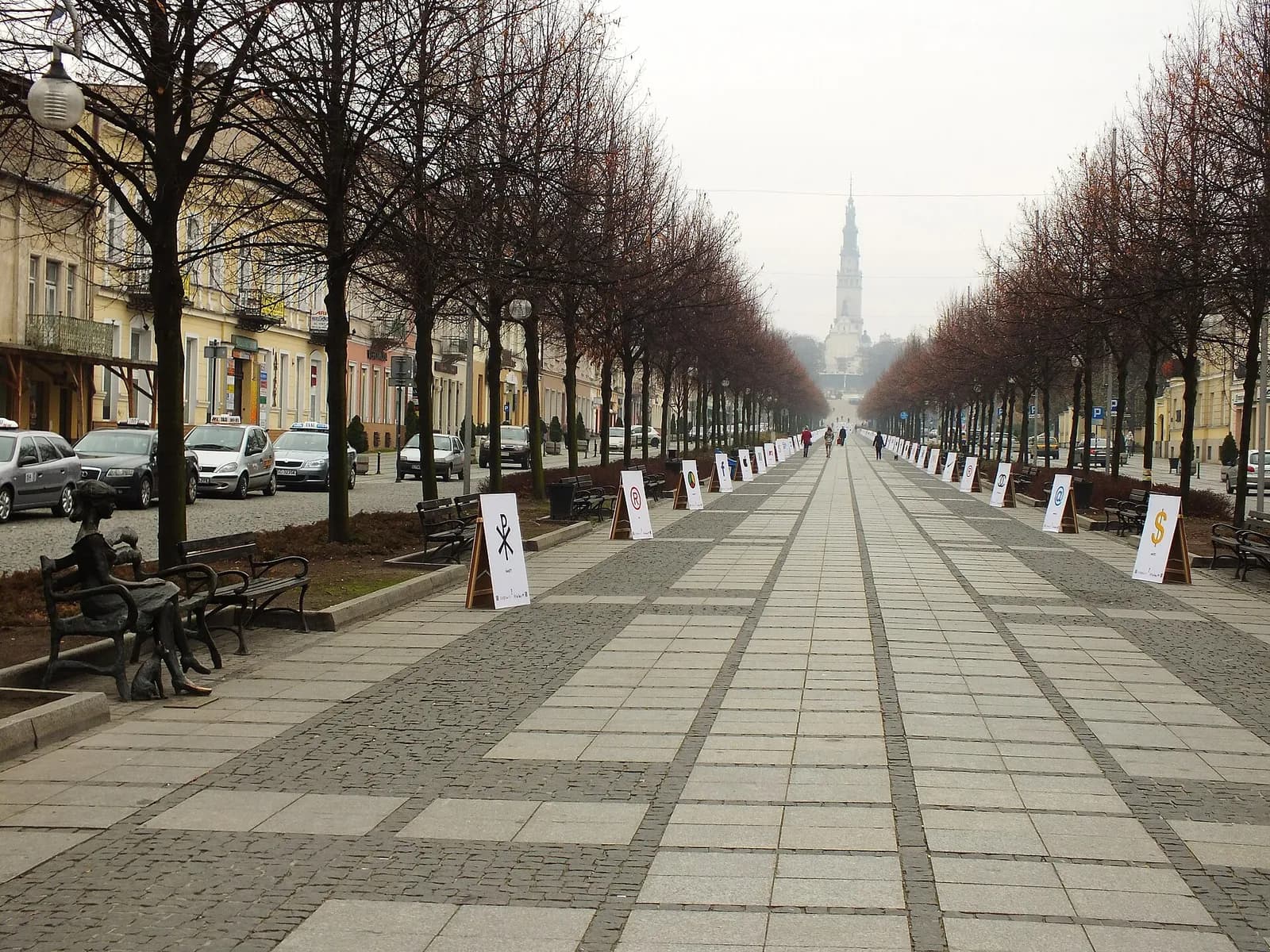
Visitors often spend most of their time within the walls of Jasna Góra, yet a short walk through the city centre leads to a very different experience.
Standing in Plac Jana Pawła II, the cathedral offers a quieter atmosphere where the focus shifts from international pilgrimage to the daily rhythm of local life. Weddings, baptisms, funerals and diocesan celebrations have all taken place here for generations, making the building as much a part of Częstochowa's living community as its architectural heritage.
Its location also makes it an easy addition to any walking tour of the city centre, with cafés, parks and historic streets all within easy reach.
A Landmark That Deserves a Place on Every Itinerary
Although it is often overshadowed by the fame of Jasna Góra, the Cathedral Basilica of the Holy Family is one of Częstochowa's finest historic buildings.
Its remarkable architecture, fascinating history and continuing role in the life of the city make it far more than an impressive church. It tells the story of Częstochowa's growth, reflects the faith of generations of residents and offers visitors a chance to experience one of Poland's most significant cathedrals beyond the country's best-known pilgrimage destination.
Whether you are exploring Częstochowa's historic centre for the first time or returning to discover more of the city's heritage, the Cathedral Basilica of the Holy Family is a landmark well worth stepping inside.
image credit: Andrzej Otrębski, CC BY-SA 4.0 / Frees, Public Domain